

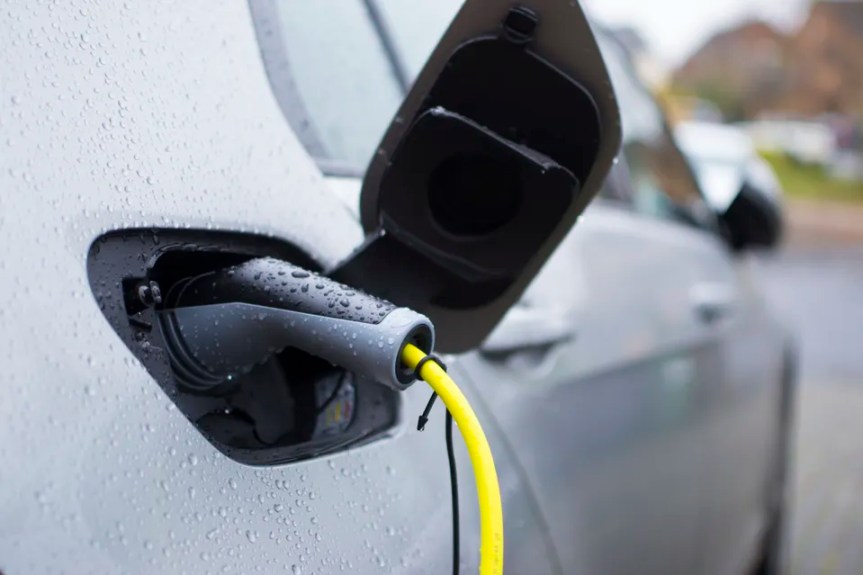
EV charger supplier have become the latest frontier in the age-old struggle between state control and individual autonomy, where seemingly simple decisions about where and how to plug in your vehicle expose the intricate web of regulatory capture, bureaucratic gatekeeping, and corporate interests that shape modern life in ways most citizens never recognise. What appears to be a straightforward matter of electrical infrastructure—installing a device to charge your car—has evolved into a complex system of permissions, approvals, and compliance requirements that mirror historical patterns of how governments use technical standards to control behaviour and limit choices.
The Architecture of Control
The requirement for an LTA-approved EV charger in Singapore represents more than mere safety considerations—it embodies a particular vision of how technological adoption should unfold, with the state as the ultimate arbiter of acceptable choices. The Land Transport Authority’s approval process, whilst ostensibly designed to ensure safety and compatibility, functions as a filtering mechanism that determines which manufacturers can access the market and which consumers can access certain technologies.
This regulatory framework echoes historical precedents where governments used technical standards to shape entire industries. Just as railway gauge specifications in the 19th century determined economic winners and losers across continents, today’s charging standards create similar dynamics in the electric vehicle ecosystem. The LTA-approved EV charger requirement essentially makes the government a silent partner in every installation decision.
The Home as Battleground
The EV home charger market reveals particularly striking tensions between private property rights and state oversight. Homeowners discover that installing charging infrastructure on their property requires navigating approval processes that extend government authority into spaces traditionally considered beyond regulatory reach.
This expansion of bureaucratic control into domestic spaces reflects broader trends in how modern states manage technological adoption:
• Safety certifications that often exceed actual risk requirements
• Installation permits that create revenue streams for regulatory agencies
• Compliance monitoring that enables ongoing surveillance of private behaviour
• Standardisation mandates that limit consumer choice whilst benefiting select manufacturers
The EV home charger approval process demonstrates how technical requirements can serve political purposes beyond their stated objectives.
The Supplier Ecosystem and Market Manipulation
Understanding the EV charger supplier landscape requires examining how regulatory frameworks shape competition and market access. The approval process creates significant barriers to entry, favouring established manufacturers with resources to navigate complex certification requirements, whilst excluding smaller innovators who might offer superior or more affordable solutions.
This dynamic benefits incumbent EV charger supplier networks at the expense of market competition and consumer choice. The regulatory moat created by approval requirements protects approved suppliers from disruptive competition, creating oligopolistic conditions that would be difficult to maintain in truly free markets.
Singapore’s Technocratic Vision
Singapore’s approach to EV chargers reflects the city-state’s broader technocratic governance model, where technical expertise and centralised planning supposedly optimise outcomes for society. However, this approach also reveals the limitations and biases inherent in bureaucratic decision-making processes.
According to industry observers familiar with Singapore’s regulatory environment, “The LTA’s approval process for EV chargers prioritises system-wide compatibility and safety, but it also creates dependencies on approved suppliers that can limit innovation and increase costs for consumers who might prefer alternative solutions.”
This technocratic approach assumes that centralised authorities can effectively evaluate and approve technologies better than market mechanisms, despite abundant historical evidence suggesting that bureaucratic approval processes often lag behind technological development and consumer needs.
Historical Parallels and Power Dynamics
The evolution of EV charger regulations follows familiar patterns observed throughout the history of technological adoption. From telegraph networks to telephone systems, new technologies consistently become sites of struggle over who controls access, standards, and market participation.
The state’s role as gatekeeper for EV home charger installations mirrors earlier battles over rural electrification, telephone service expansion, and internet infrastructure deployment. In each case, the rhetoric of safety, standardisation, and public benefit masked more complex negotiations over market control and political authority.
The Illusion of Choice
Modern consumers face what appears to be a marketplace of EV charger supplier options, but regulatory frameworks significantly constrain the actual choices available. The LTA approved EV charger requirement creates the illusion of market competition whilst ensuring that only pre-approved options reach consumers.
This managed marketplace reflects broader trends in how contemporary capitalism operates—markets appear competitive and diverse, whilst regulatory capture and bureaucratic gatekeeping ensure that only certain actors can meaningfully participate. The result is a system that combines the worst aspects of state control with the inequalities of market competition.
Resistance and Alternative Models
Despite regulatory constraints, some consumers and suppliers seek ways to circumvent or challenge the approval system for EV chargers. These efforts, whilst often unsuccessful, reveal the tensions between individual autonomy and bureaucratic control that define much of modern life.
Alternative models emerging in other jurisdictions suggest different approaches to balancing safety concerns with market freedom. Decentralised certification systems, mutual recognition agreements, and performance-based standards offer potential paths toward reducing bureaucratic gatekeeping whilst maintaining safety protections.
The Future of Electric Authority
As electric vehicles become more prevalent, battles over EV home charger regulation will likely intensify. The precedents being established today will shape how future technologies are regulated and how much autonomy individuals retain over their technological choices.
The question is not merely technical—which charging standards work best—but political: who should control the infrastructure that enables modern life? The answers emerging from current EV charger supplier regulation debates will influence far more than transportation, shaping broader patterns of state authority and individual freedom in an increasingly electrified world.
Understanding these dynamics requires recognising that disputes over LTA-approved EV charger requirements represent microcosms of larger struggles over technological sovereignty, market control, and democratic participation in shaping the systems that govern daily life. The stakes extend far beyond the convenience of charging electric vehicles to encompass fundamental questions about who holds power in technological societies and how that power should be exercised through the seemingly mundane regulation of EV chargers.
 247 Web Technology Blog